Waterproofing Basements in Older Homes
Homeowners seeking waterproofing basements in older homes can connect with local contractors who specialize in preventing leaks and moisture issues effectively.
Homeowners with older properties often face unique challenges when it comes to maintaining a dry and stable basement environment. If your older home’s foundation shows signs of moisture, leaks, or water damage, exploring waterproofing options is a practical step toward protecting your property. Whether it’s preventing future issues or addressing existing concerns, local contractors who specialize in basement waterproofing services have the experience to help evaluate the situation and recommend effective solutions tailored to older homes’ specific needs. Keep reading to learn more about how waterproofing can safeguard your investment and improve the comfort of your living space.
Understanding the importance of waterproofing basements in older homes can help property owners make informed decisions. Older foundations may be more susceptible to water intrusion due to age-related wear or outdated construction methods, making waterproofing a wise consideration. Local service providers who focus on basement waterproofing services are equipped to handle these unique challenges, offering options that help keep basements dry and structurally sound. By exploring these solutions, homeowners can better protect their homes from water damage and enjoy a more secure, dry basement space.
- Interior waterproofing - homeowners noticing persistent dampness or mold in their basements often seek interior solutions handled by local contractors specializing in older homes.
- Exterior waterproofing - when surface water is causing basement leaks, local service providers can assess and implement drainage improvements suitable for aging foundations.
- Foundation sealing - cracks or deterioration in older home foundations may require expert sealing techniques performed by local pros to prevent water intrusion.
- Drainage system installation - poorly managed surface runoff around older properties can lead to basement moisture issues, with local contractors installing effective drainage solutions.
- Waterproofing membrane application - basements with longstanding water seepage problems benefit from membrane systems installed by local service providers experienced in older home structures.
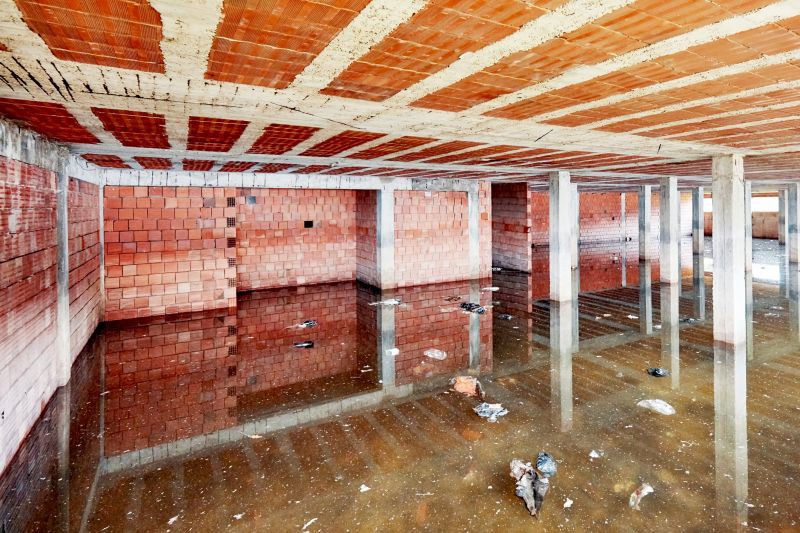
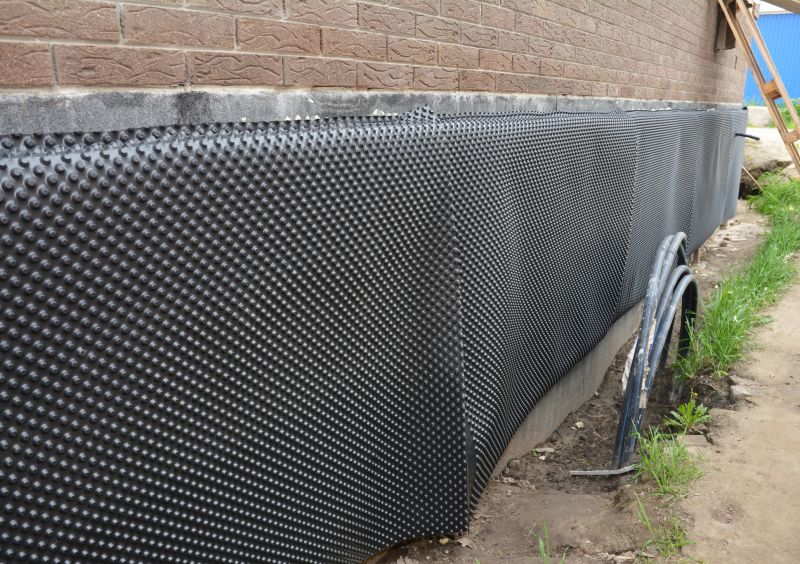
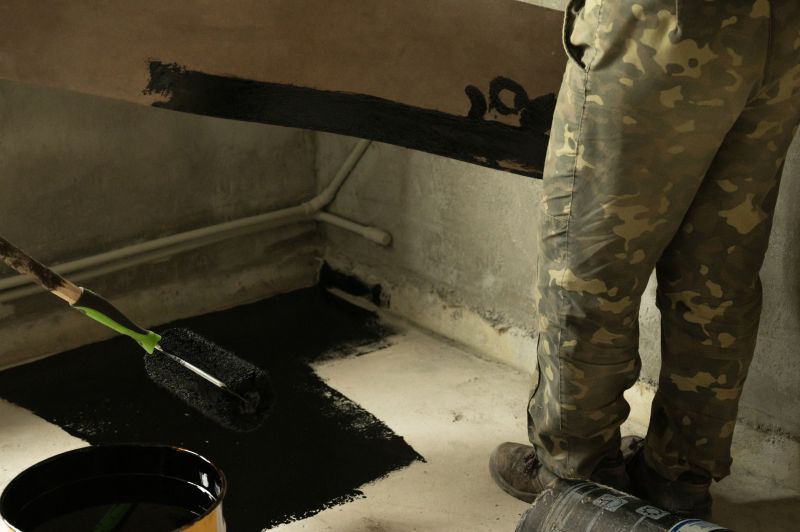
When people search for waterproofing basements in older homes, they often are looking for solutions to persistent moisture issues or concerns about water intrusion that have developed over time. Older properties frequently have foundation walls or basement floors that were not originally designed to handle modern moisture challenges, making waterproofing a common consideration. Homeowners might be experiencing dampness, mold growth, or water stains on basement walls, prompting them to explore options for keeping their lower levels dry and usable. These searches are usually driven by a desire to protect the home’s structure, prevent damage to stored belongings, or create a healthier living environment.
Waterproofing basements in older homes relates to a range of problems and planning efforts. Many older foundations have cracks, deteriorated mortar joints, or outdated drainage systems that can allow water to seep in during heavy rains or snowmelt. Some homeowners are considering waterproofing as a proactive measure to avoid future issues, especially if the property is located in a flood-prone area or has a history of water intrusion. Others may need to address existing water damage or mold before renovating or finishing the basement. Whether it’s sealing cracks, installing interior drainage systems, or applying waterproof coatings, these projects often involve assessing the specific vulnerabilities of an older foundation and implementing tailored solutions.
The types of properties that typically come up in this context are older homes built decades ago, often with basements that were not originally designed to be waterproofed or moisture-resistant. These can include historic houses, early 20th-century constructions, or homes with foundations made from stone, brick, or early concrete mixes. Such properties may have experienced settling, shifting, or deterioration over the years, leading to increased water entry points. Basement waterproofing in these homes often requires specialized approaches that respect the age and construction style of the foundation, making it essential to work with experienced local contractors who understand the unique challenges of older properties.
Connecting with local service providers is a practical step for homeowners considering waterproofing basements in older homes. These professionals can evaluate the specific conditions of the foundation, recommend appropriate waterproofing methods, and perform the necessary work to keep basements dry. Since older homes often present unique challenges, experienced local contractors bring valuable insights into the best approaches for each property. Homeowners can compare different service providers to find those with expertise in older foundations, ensuring that the waterproofing work is effective and durable. Properly waterproofed basements help preserve the integrity of the home, improve comfort, and prevent costly water damage over time.
Foundation Repair - foundation repair projects often require similar skills and tools as waterproofing basements in older homes, focusing on stabilizing and sealing basement structures.
Drainage System Installation - installing interior or exterior drainage systems helps manage water intrusion, a common concern in waterproofing older basement foundations.
Cement and Masonry Work - masonry repairs and sealing techniques are essential for addressing cracks and leaks in basement walls during waterproofing projects.
Basement Finishing - finishing a basement involves moisture control measures that align closely with waterproofing efforts to ensure a dry, usable space.
Waterproof Wall Coatings - applying specialized coatings or sealants to basement walls is a key step in waterproofing older homes, requiring similar surface preparation skills.
Crack Repair and Sealing - identifying and sealing cracks in basement walls and floors is a common task that overlaps with waterproofing services for older homes.
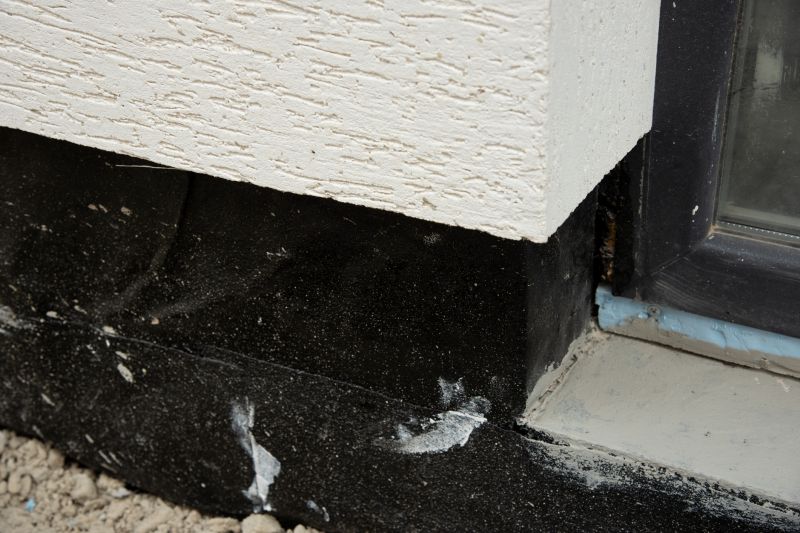
When evaluating service providers for waterproofing basements in older homes, it is important to consider their experience with similar projects. Older homes often present unique challenges, such as outdated foundation materials or previous waterproofing attempts, which require specialized knowledge. Contractors who have successfully handled projects in homes with comparable age, construction styles, and issues are more likely to understand the nuances involved and recommend effective solutions. Asking about their past work in similar settings can provide insight into their familiarity with the specific demands of waterproofing older basements.
Clear, written expectations are essential to ensure that both homeowners and contractors are aligned on the scope and process of the project. A reputable service provider should be able to outline the steps involved, the materials to be used, and the anticipated outcomes in a detailed proposal or contract. This transparency helps prevent misunderstandings and sets realistic expectations for the work. Homeowners should look for contractors who are willing to provide comprehensive explanations and documentation, making it easier to compare options and make informed decisions.
Good communication and reputable references are key indicators of a reliable basement waterproofing service provider. Service providers who are responsive, willing to answer questions, and provide references from previous clients demonstrate professionalism and accountability. Speaking with past customers can offer valuable insights into the contractor’s work quality, reliability, and how they handle project challenges. Ensuring open lines of communication throughout the process helps address concerns promptly and contributes to a smoother experience when waterproofing basements in older homes.
Property owners often search for waterproofing basements in older homes when they are planning practical projects around their homes and businesses. Local pros provide Basement Waterproofing services for everyday jobs and straightforward project options.
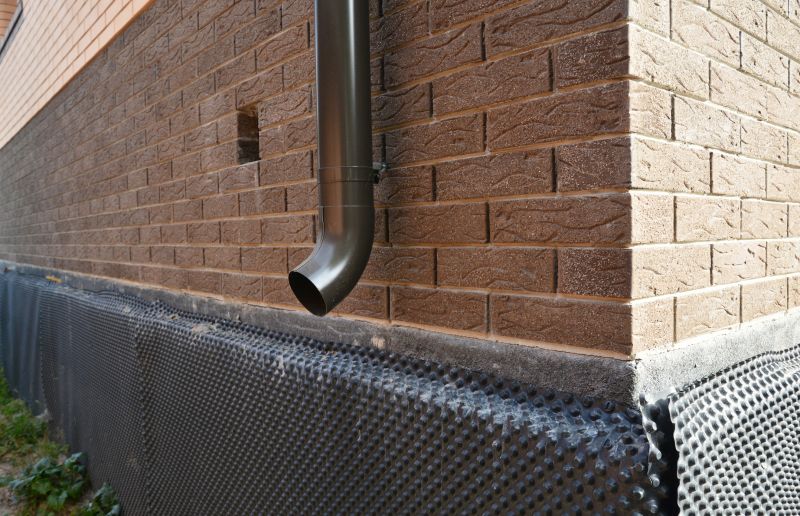
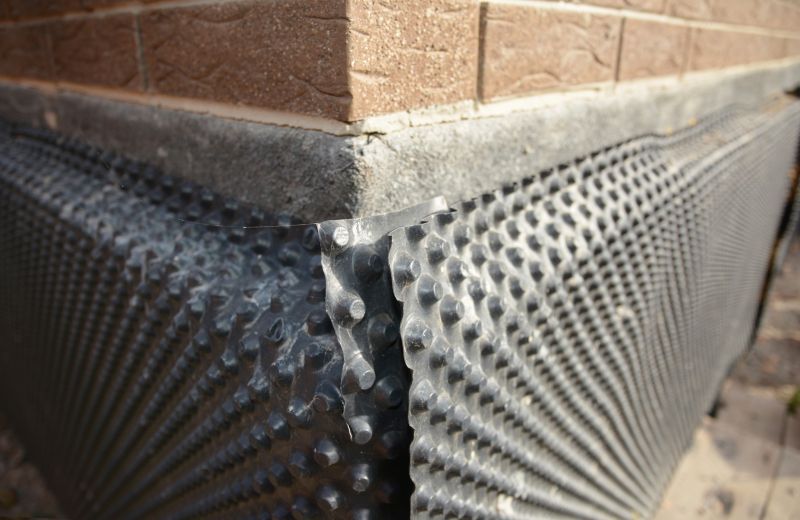
Homeowners exploring options for waterproofing basements in older homes often seek simple solutions to prevent moisture issues and protect their property. Common situations include noticing dampness, mold growth, or water stains on basement walls and floors, especially after heavy rains or during seasonal changes. Many property owners look for professional services to address these concerns, aiming to improve basement dryness and avoid potential damage that can impact the home's foundation and overall stability.
Local contractors specializing in basement waterproofing offer a range of solutions tailored to the unique needs of older homes. These service providers can evaluate existing basement conditions, recommend effective waterproofing methods, and implement solutions such as sealing cracks, installing drainage systems, or applying waterproof coatings. Property owners considering these services often appreciate the expertise available locally, making it easier to find reliable help for maintaining a dry, stable basement environment.
What methods do contractors use for waterproofing basements in older homes? Local contractors often utilize techniques such as interior sealants, exterior drainage improvements, and basement membrane applications to address waterproofing needs in older homes.
Are there specific challenges when waterproofing basements in older homes? Yes, older homes may have existing foundation issues, outdated materials, or structural limitations that require tailored waterproofing solutions from experienced service providers.
How can I tell if my older home's basement needs waterproofing? Signs include persistent dampness, mold growth, efflorescence on walls, or water seepage during heavy rains, which local service providers can assess during a thorough inspection.
What types of waterproofing systems are suitable for older homes? Effective options include interior drainage systems, sump pumps, exterior waterproofing membranes, and sealants, all installed by local contractors familiar with older home structures.
Is waterproofing in older homes a permanent solution? When properly installed by experienced service providers, waterproofing systems can provide long-lasting protection, though periodic inspections and maintenance may be recommended to ensure effectiveness.
Assessing foundation cracks - Identifying and sealing foundation cracks can prevent water intrusion and protect the basement structure, with local contractors providing expert inspection and repair services.
Applying interior waterproof coatings - Using specialized sealants on basement walls helps create a moisture barrier, and local service providers can assist with proper application techniques.
Installing sump pumps - Sump pump systems can effectively remove excess water from older basements, with local pros handling installation to ensure proper operation.
Improving drainage around the home - Enhancing exterior drainage systems directs water away from the foundation, and local contractors can recommend and implement effective solutions.
If you are thinking about waterproofing basements in older homes for a property, this guide is meant to help you understand this topic, the typical project types, and how different options might fit your plans.
When you are ready, you can use the quote form on this page to share a few details about your project. From there, local pros can review the basics and follow up with options that match what you have in mind.